LawnSignals field notes

Make the next lawn decision with evidence.

Current homeowner questions, translated into practical guidance with sources you can inspect.

Browse by decision

Start with what you are trying to solve.

Latest field notes

Practical guides with sources you can inspect.

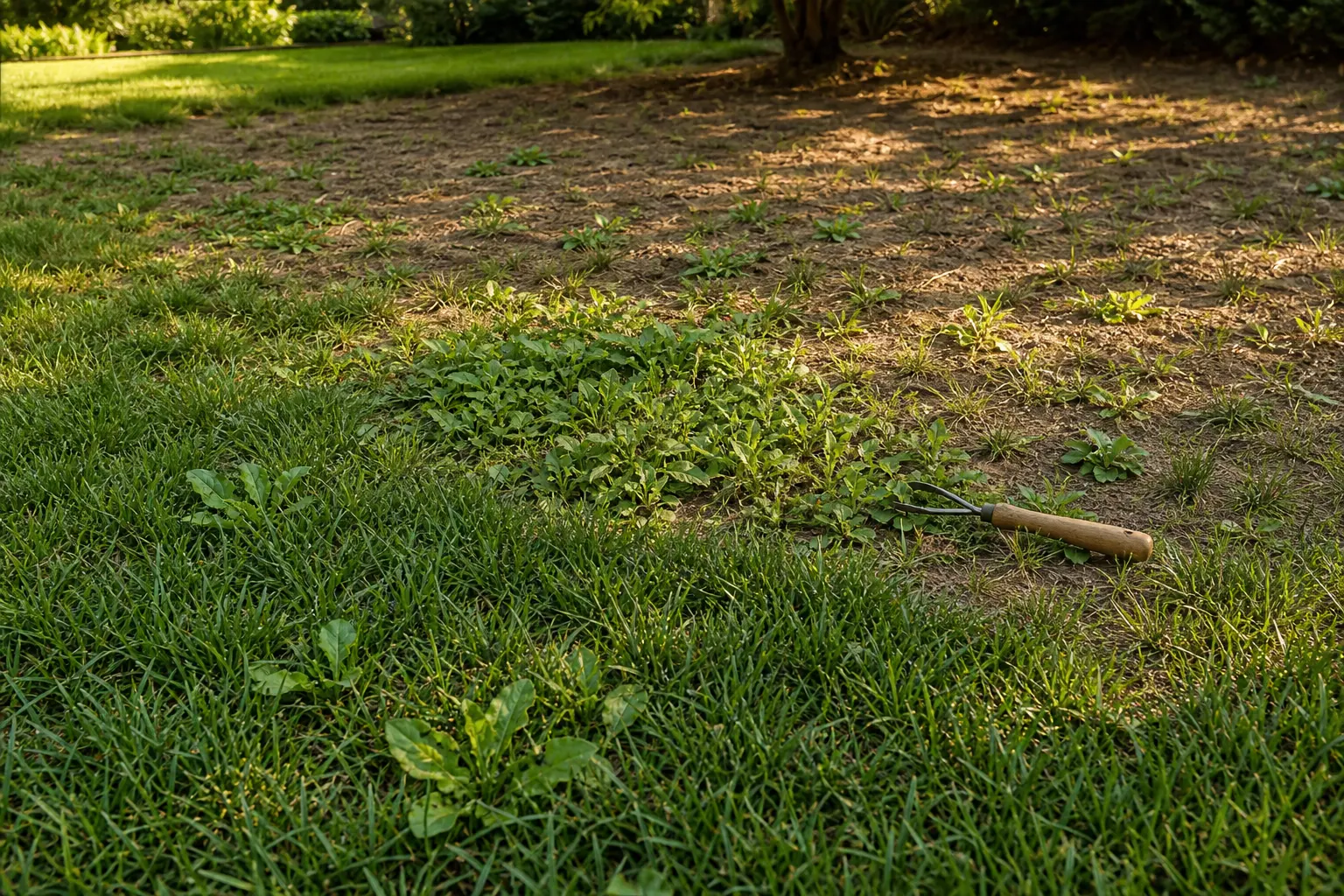
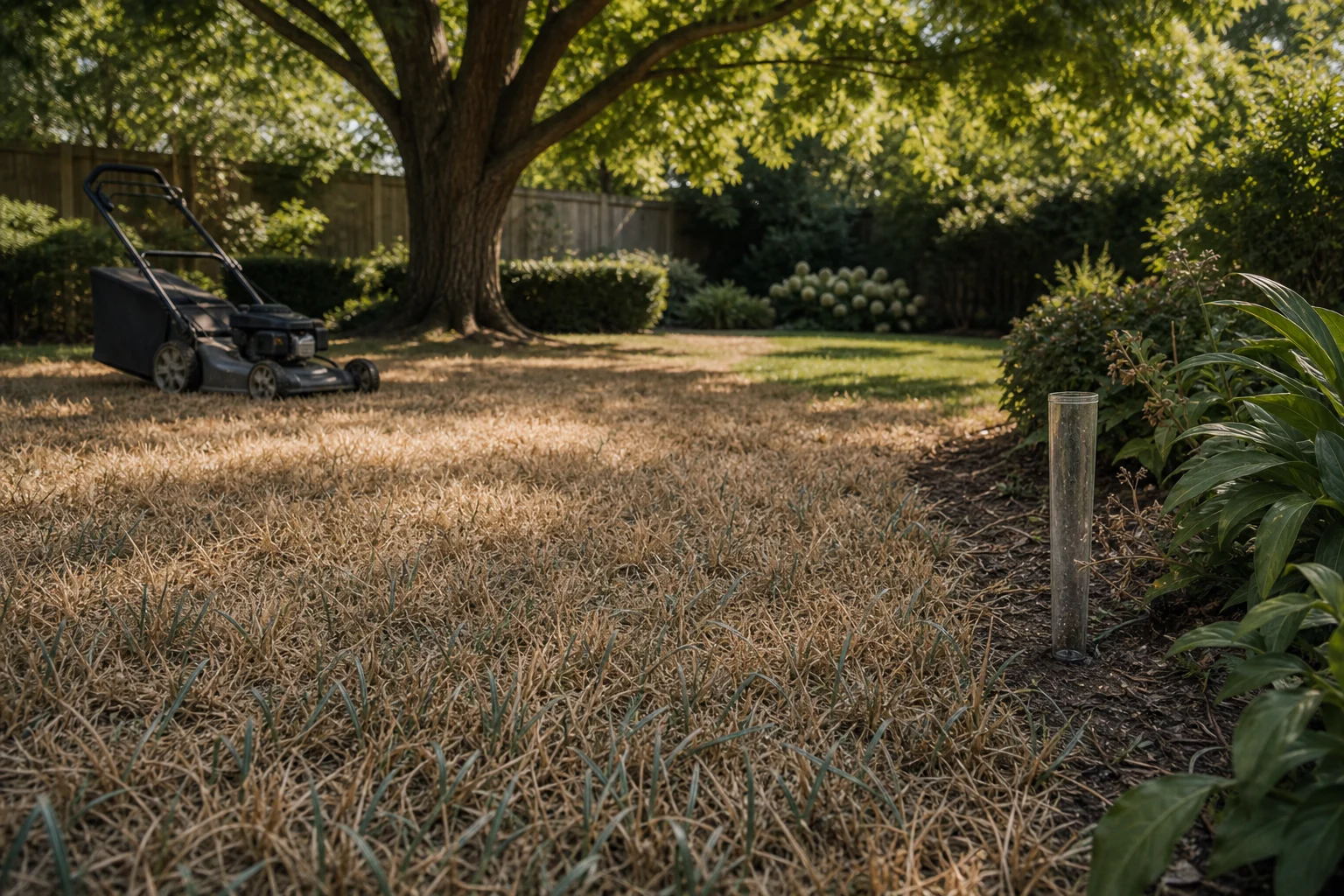
Late-summer cool-season lawn with a mostly grassy area containing a few weeds, a concentrated weedy patch beside a hand tool, and a sparse bare-soil area beneath tree shade.

Evidence-backed guide

Weeds Before Overseeding? What's the Move?

For a thin, weedy cool-season lawn in late August, do not let a few weeds erase the seeding window. Seed where grass still has a foothold, isolate bad patches, and use the exact product label to schedule any herbicide treatment.

· 3 sources
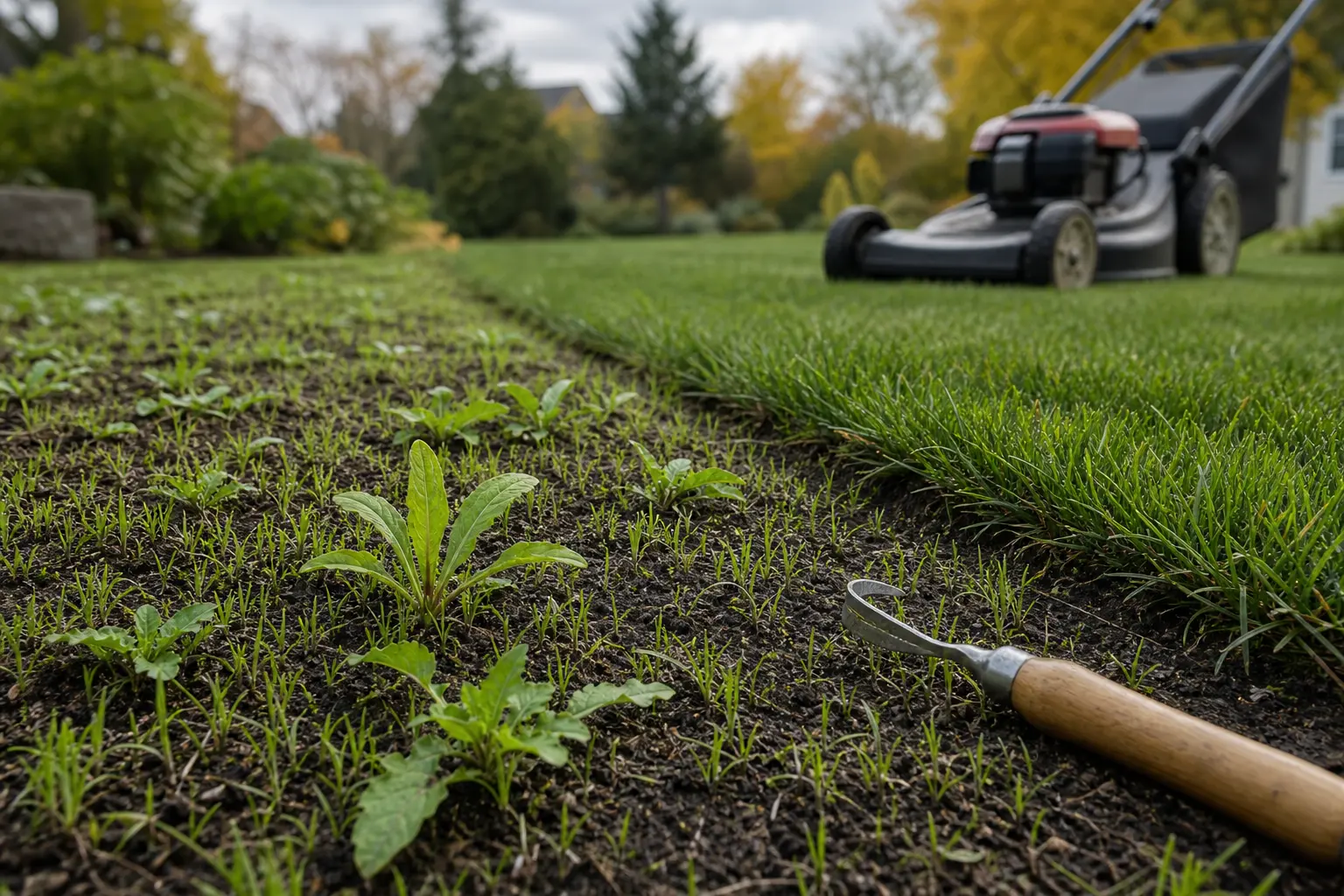
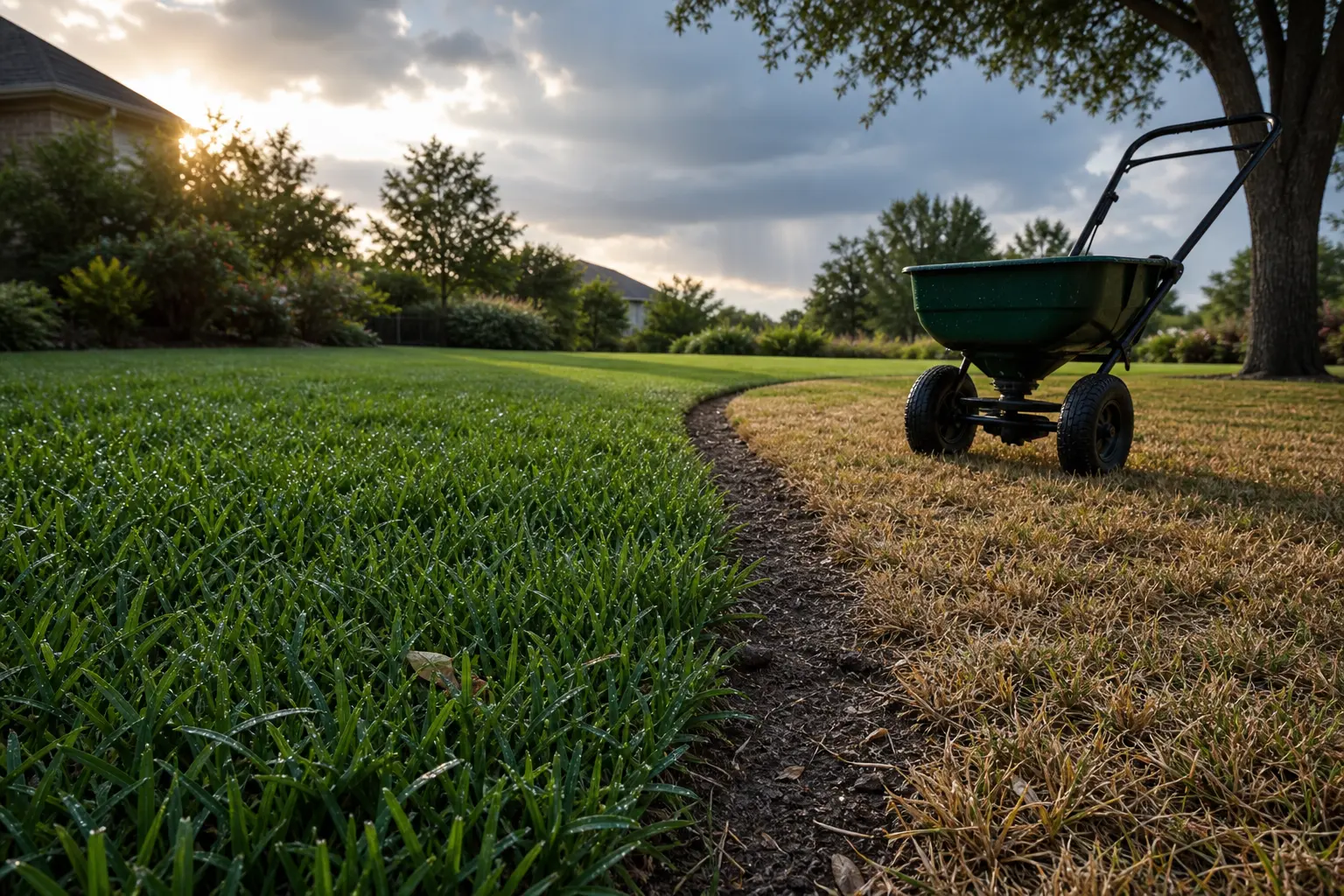
A newly seeded lawn with short grass seedlings and a few taller weeds in moist soil, with a hand weeder in front and a mower near denser turf in the background.

Evidence-backed guide

New Grass, New Weeds: When to Pull, Mow, or Wait to Spray

A few weeds beating new grass out of the ground is usually an establishment problem to manage, not a weed-war emergency. Use mow count, turf maturity, weed spread, and the exact product label to choose the next move.

· 4 sources
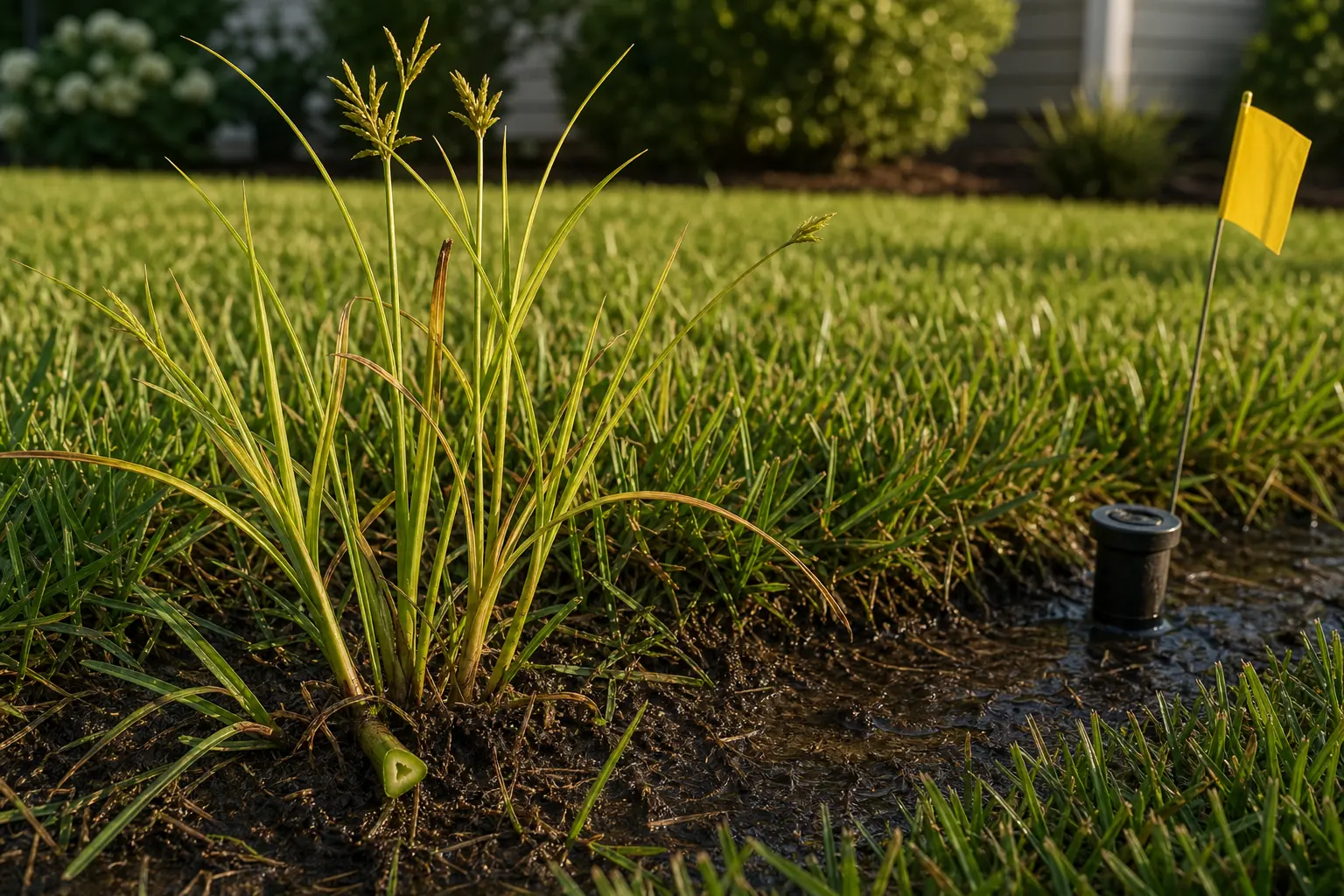
Close view of taller yellow-green sedge shoots with angular stems rising from a small damp low area in an otherwise green late-summer lawn near an irrigation head.

Evidence-backed guide

If the Stem Is Triangular, Don’t Treat It Like Crabgrass

Fast-growing yellow-green shoots in late summer may be yellow nutsedge, not grass. Confirm the triangular stem, then choose the smallest effective response—and check the moisture conditions that may be helping it return.

· 6 sources