Weather and timing
Weather-aware lawn care timing
The right lawn task on the wrong day can waste effort or create a new problem. These guides connect current conditions to the timing choices homeowners make most often.
Evidence-backed field notes
Guides for this decision
Evidence-backed guide
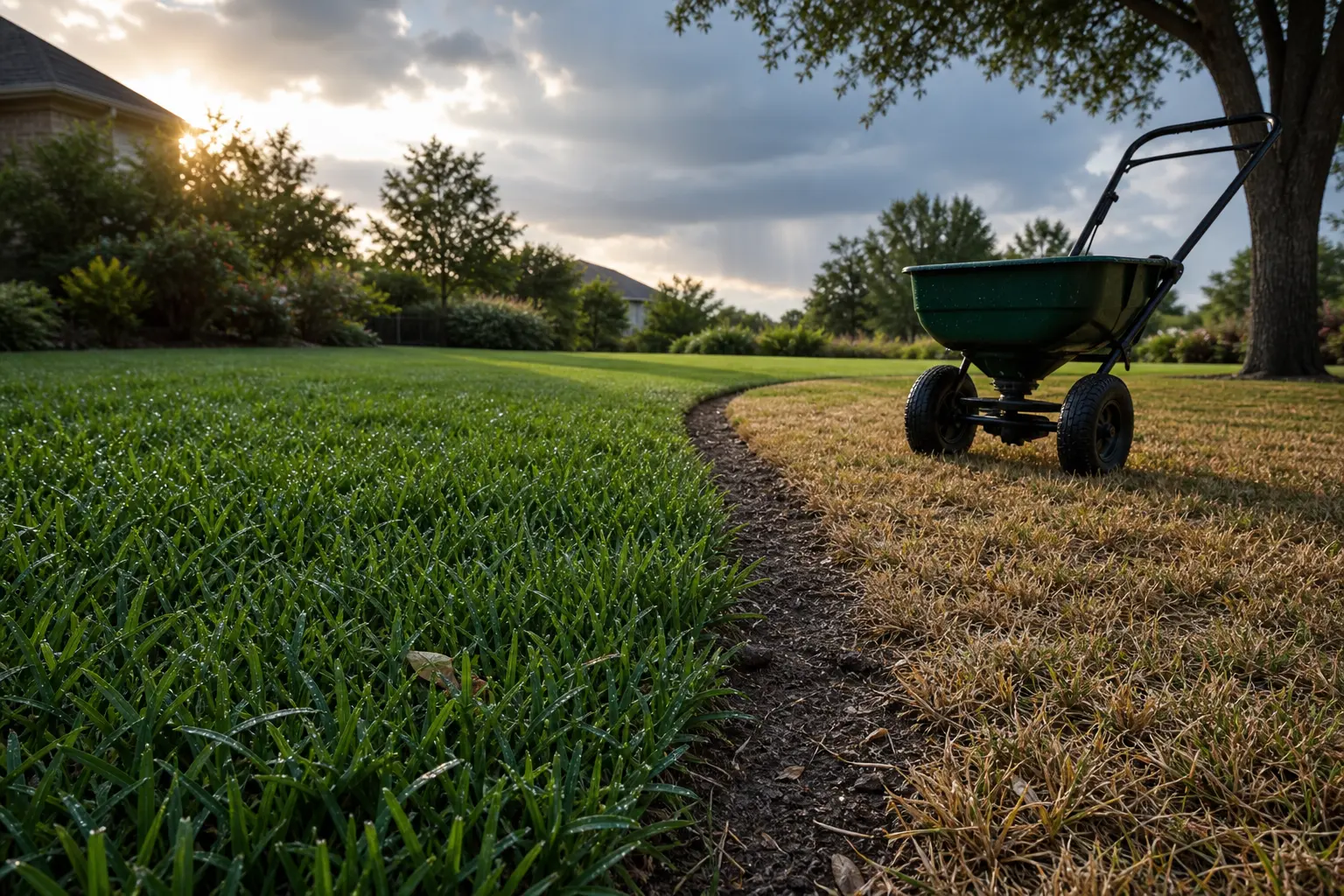
Late August Fertilizer: Is It Your Lawn’s Last Feeding—or the Start of Fall?
Before spreading fertilizer in late August, check grass type and active growth. Cool-season lawns may be entering a useful fall window; warm-season lawns may be nearing their stop point.
· 4 sources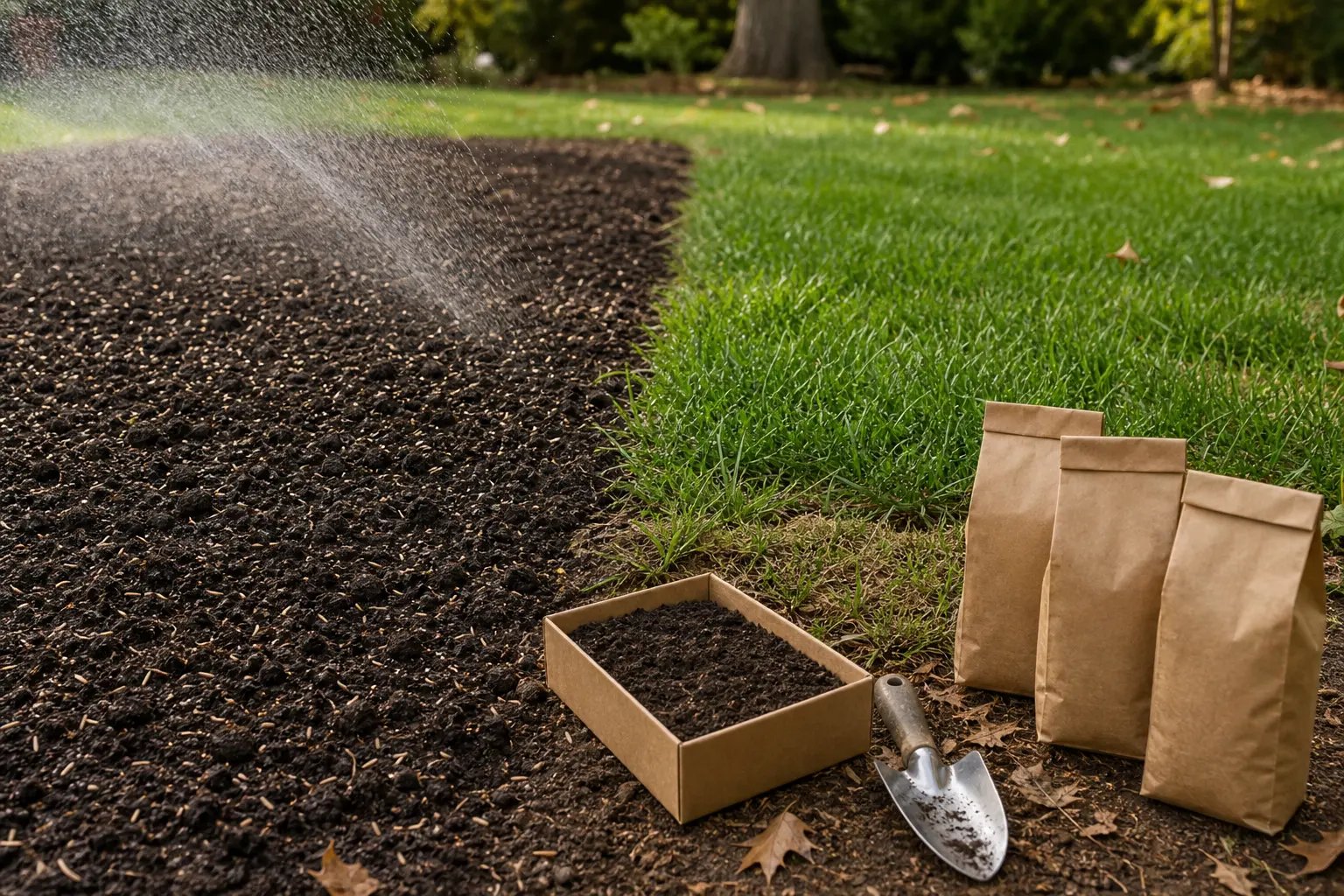
Evidence-backed guide
Seeding This Week? Don’t Let a Starter Bag Decide on Lime or Phosphorus
If the local cool-season seeding window is open, get the seed down. Let a representative soil test—not an automatic starter-fertilizer or lime purchase—decide the amendments.
· 5 sources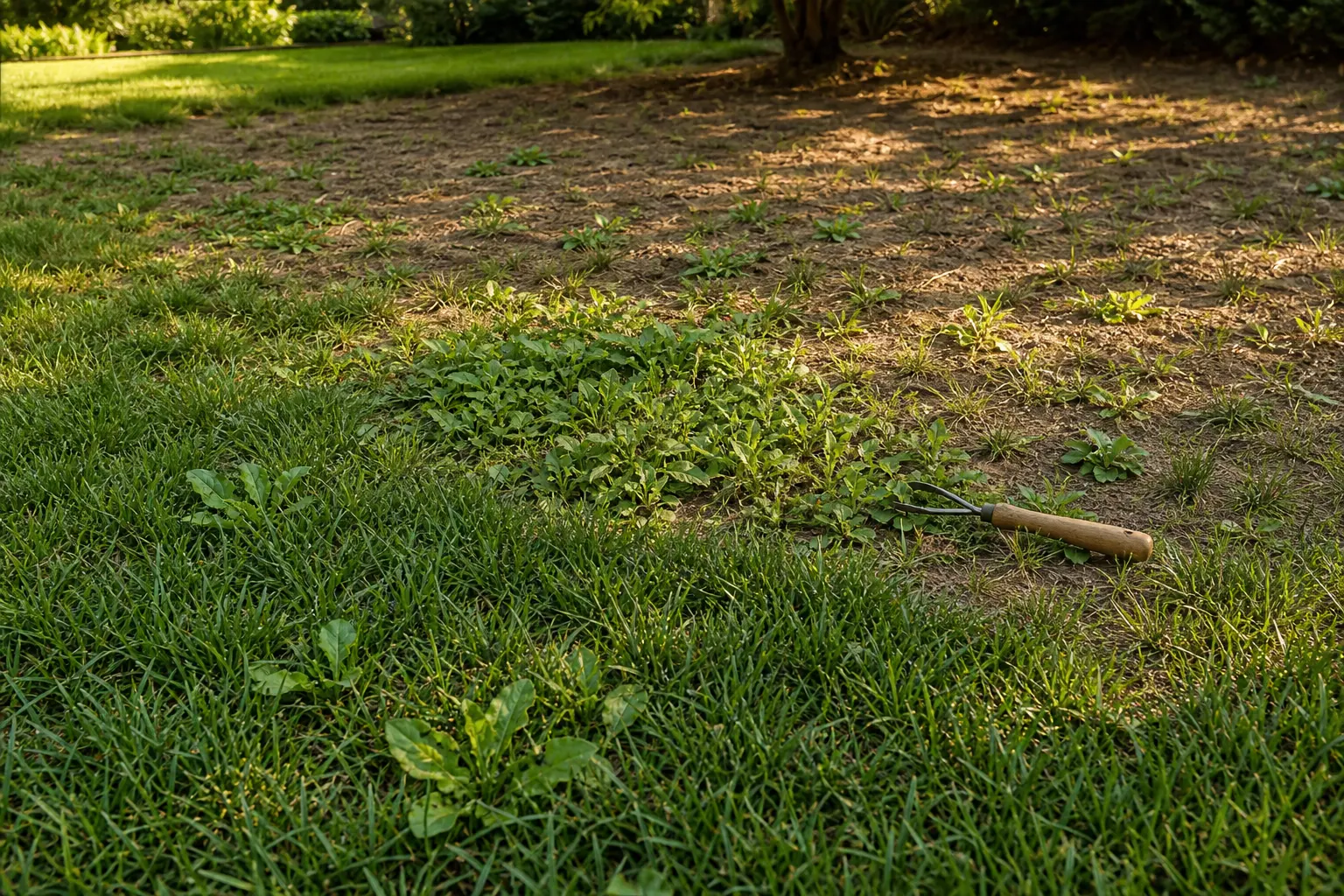
Evidence-backed guide
Weeds Before Overseeding? What's the Move?
For a thin, weedy cool-season lawn in late August, do not let a few weeds erase the seeding window. Seed where grass still has a foothold, isolate bad patches, and use the exact product label to schedule any herbicide treatment.
· 3 sources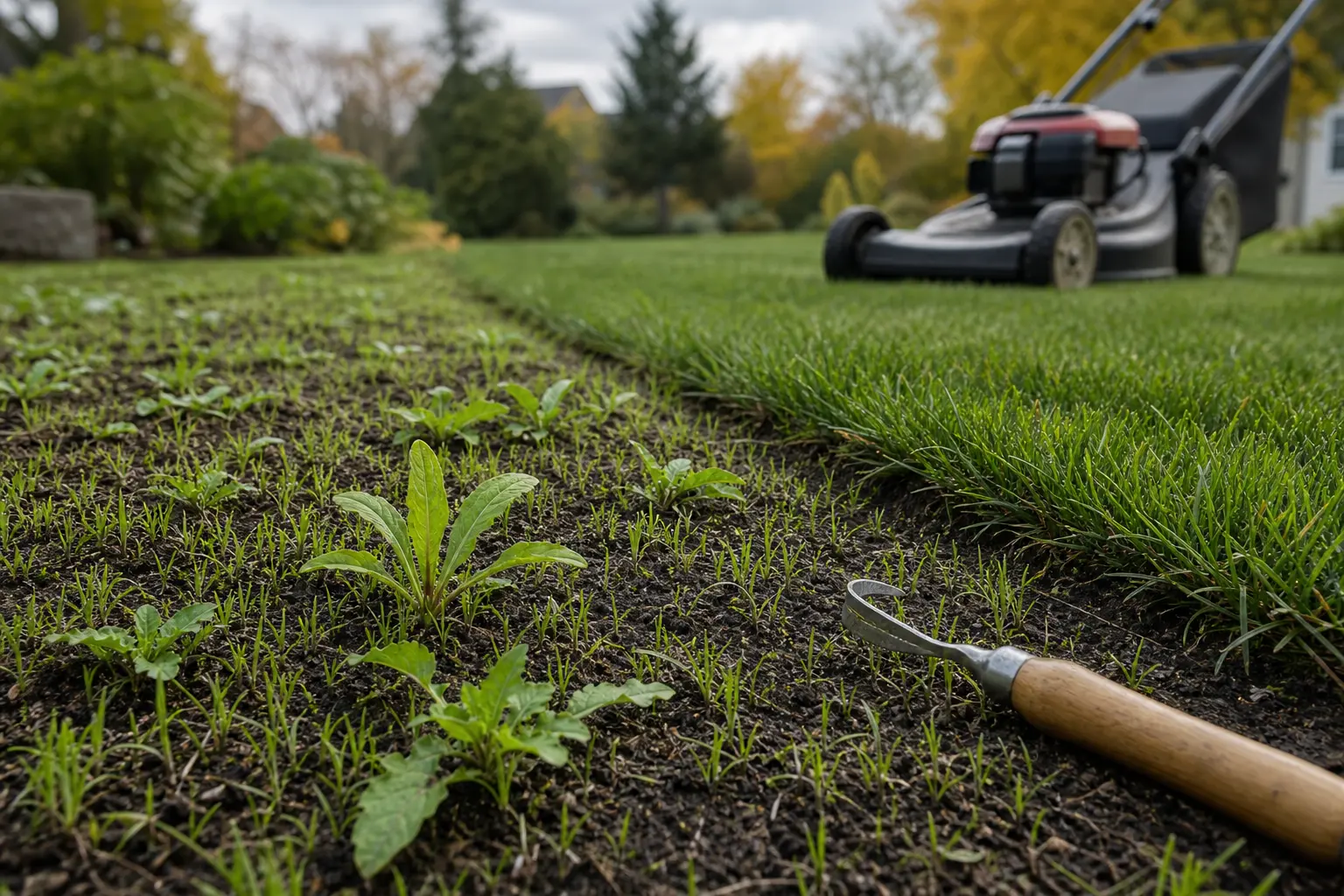
Evidence-backed guide
New Grass, New Weeds: When to Pull, Mow, or Wait to Spray
A few weeds beating new grass out of the ground is usually an establishment problem to manage, not a weed-war emergency. Use mow count, turf maturity, weed spread, and the exact product label to choose the next move.
· 4 sources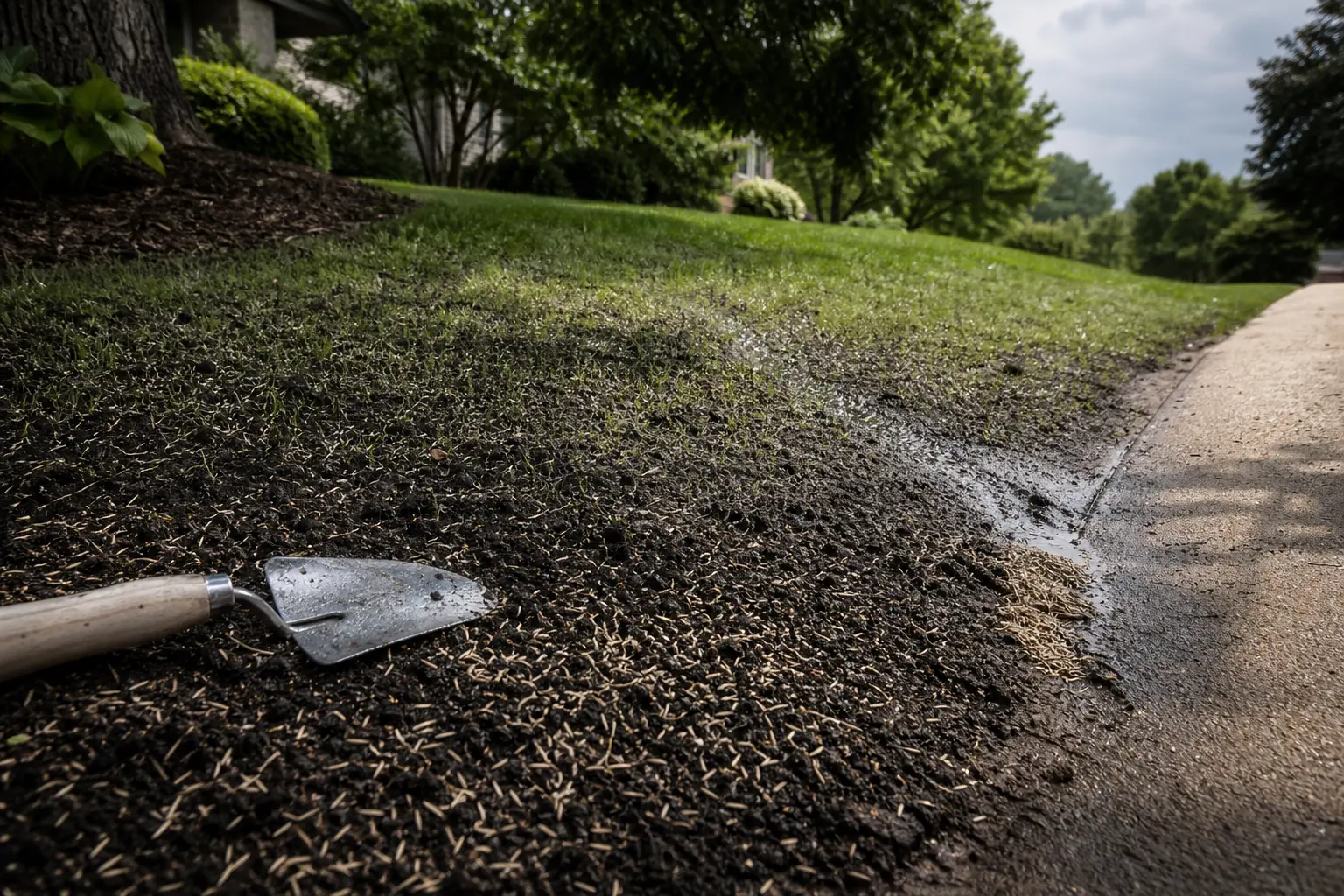
Evidence-backed guide
Fresh Seed Got Rain? Check the Soil Before You Water Again
After rain, let the moisture where the seed sits—not the irrigation timer—decide whether fresh cool-season seed needs water, a delay, or washout repair.
· 6 sources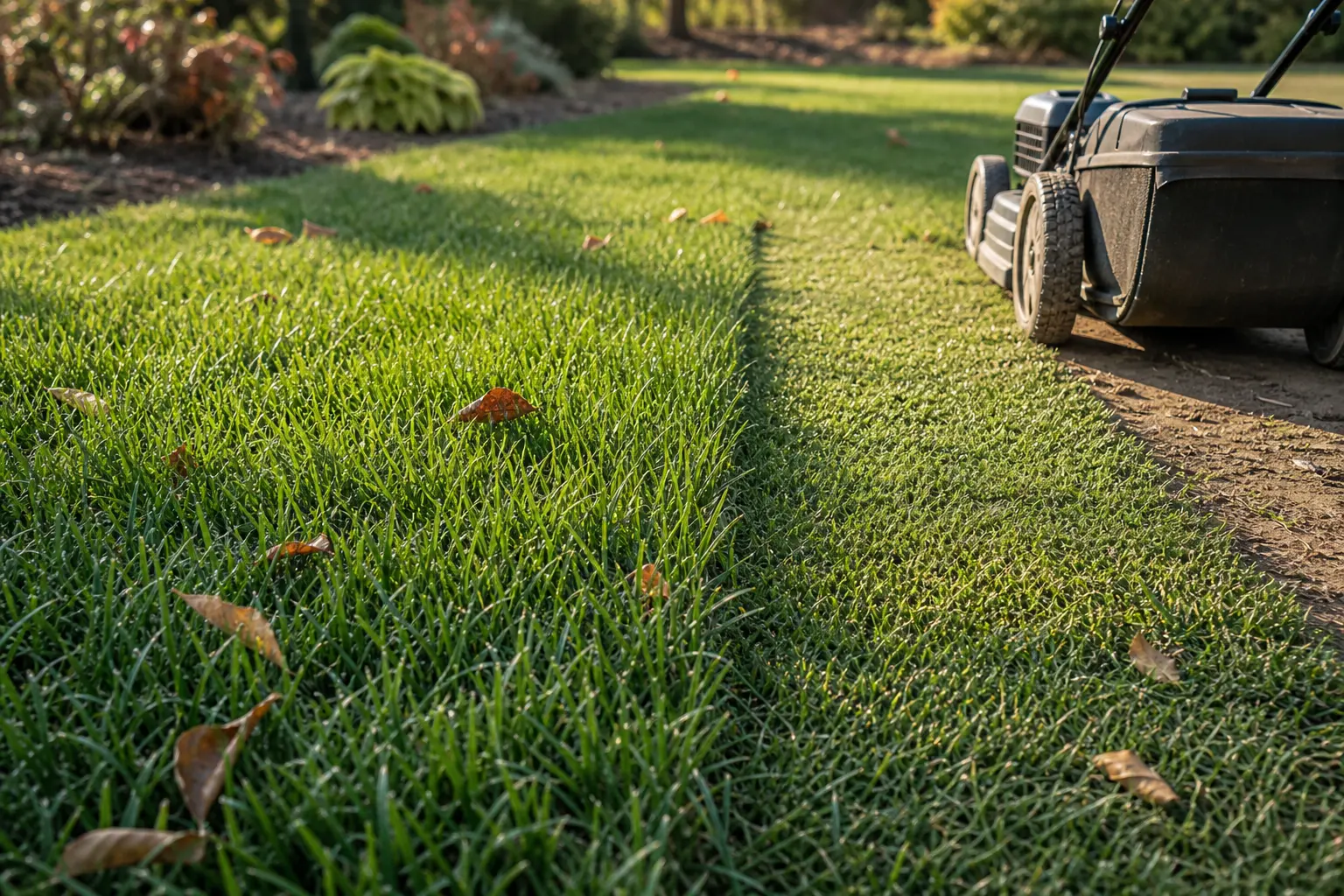
Evidence-backed guide
Don’t Mow New Grass by the Calendar—Use Height and Firm Ground Instead
For a newly seeded cool-season lawn, the first mow depends less on the week count than on seedling height, firm soil, and a clean, light cut.
· 5 sources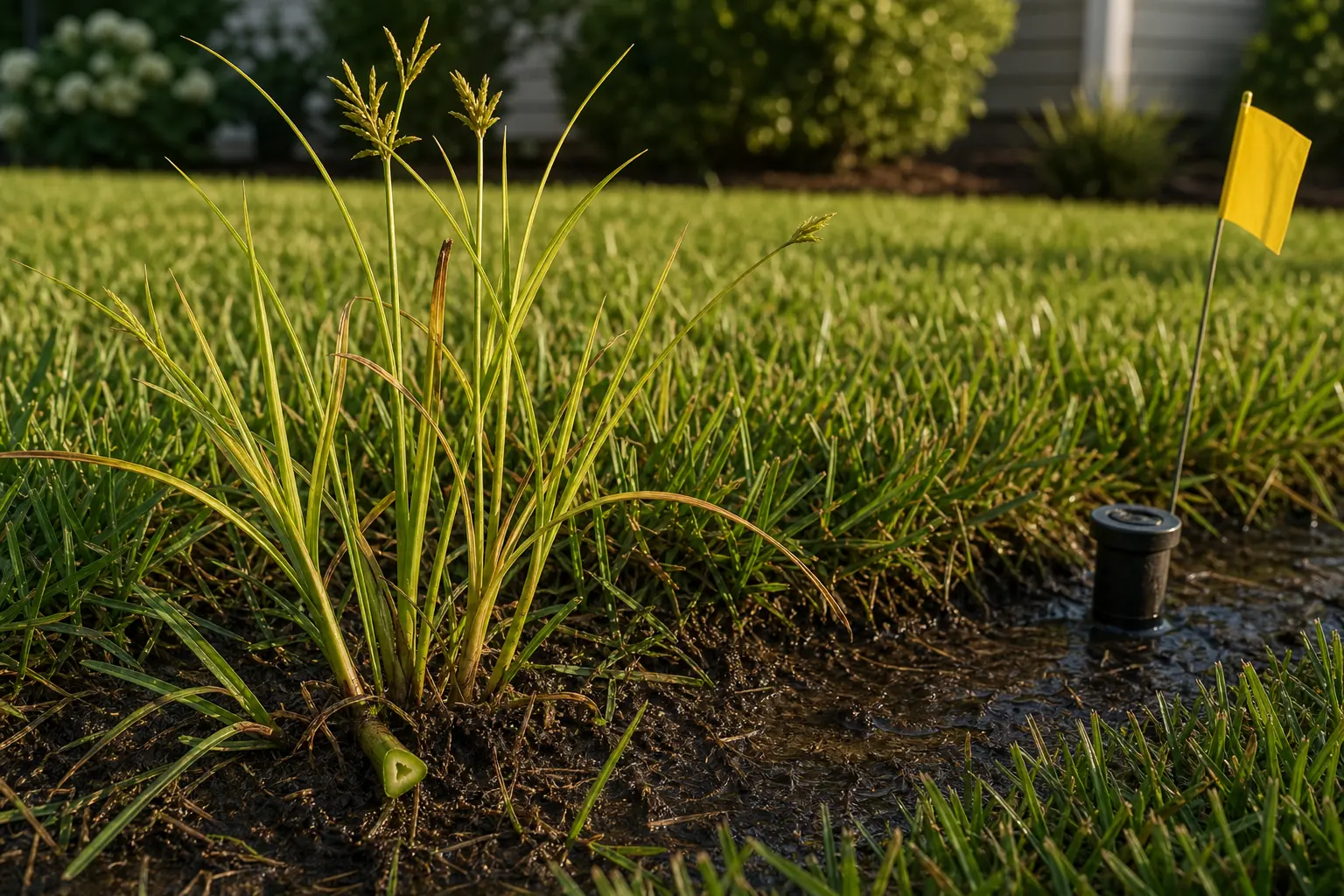
Evidence-backed guide
If the Stem Is Triangular, Don’t Treat It Like Crabgrass
Fast-growing yellow-green shoots in late summer may be yellow nutsedge, not grass. Confirm the triangular stem, then choose the smallest effective response—and check the moisture conditions that may be helping it return.
· 6 sources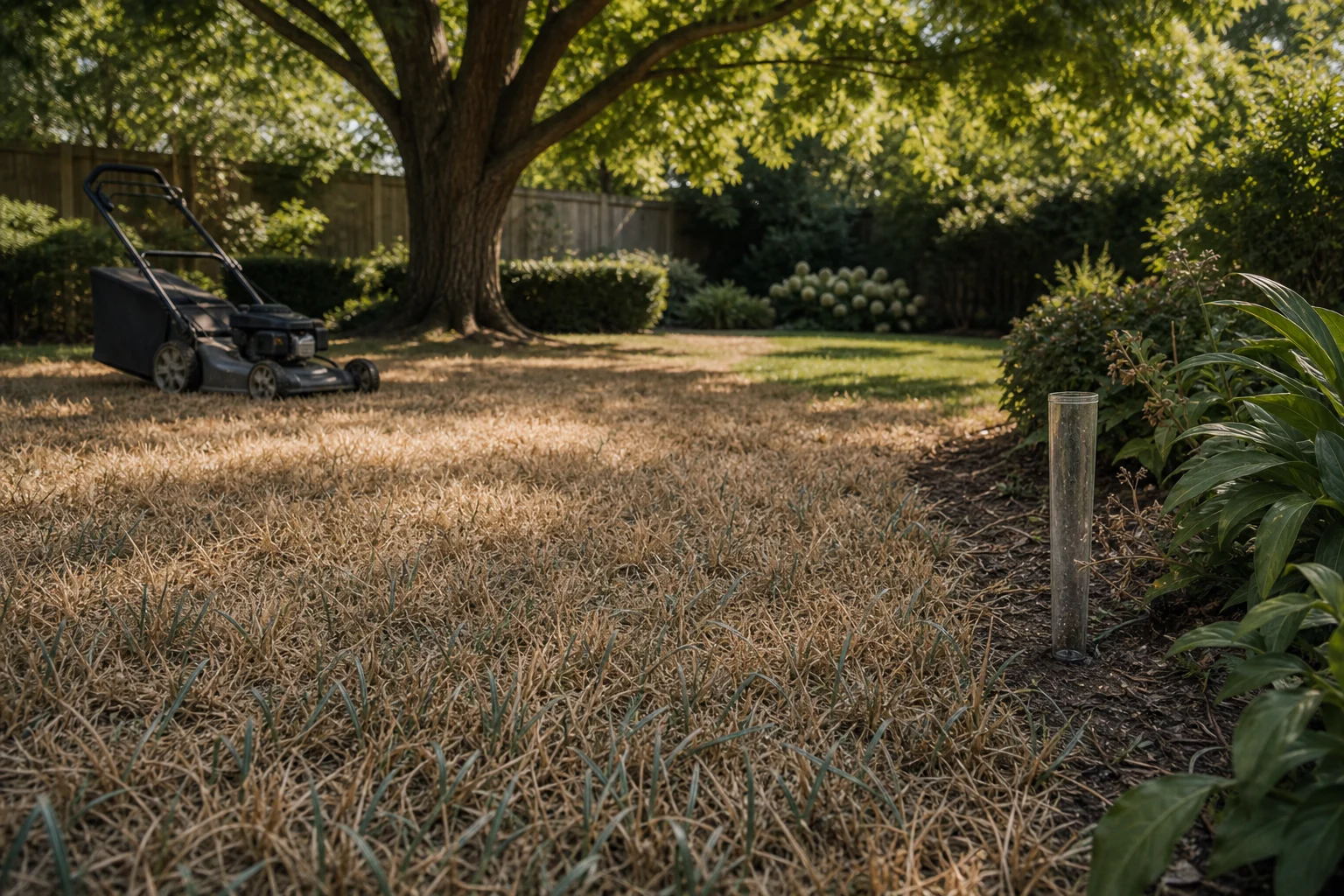
Evidence-backed guide
Brown Cool-Season Lawn in August? Choose a Path Before You Water, Mow, or Fertilize
A calm late-summer guide for established cool-season lawns: tell dormancy from a bigger problem, choose a watering approach, and pause stress-adding chores until conditions improve.
· 5 sources